.png)



.png)

.svg)
STL to Parametric CAD
Autonomously rebuild scanned and mesh models as fully parametric parts.
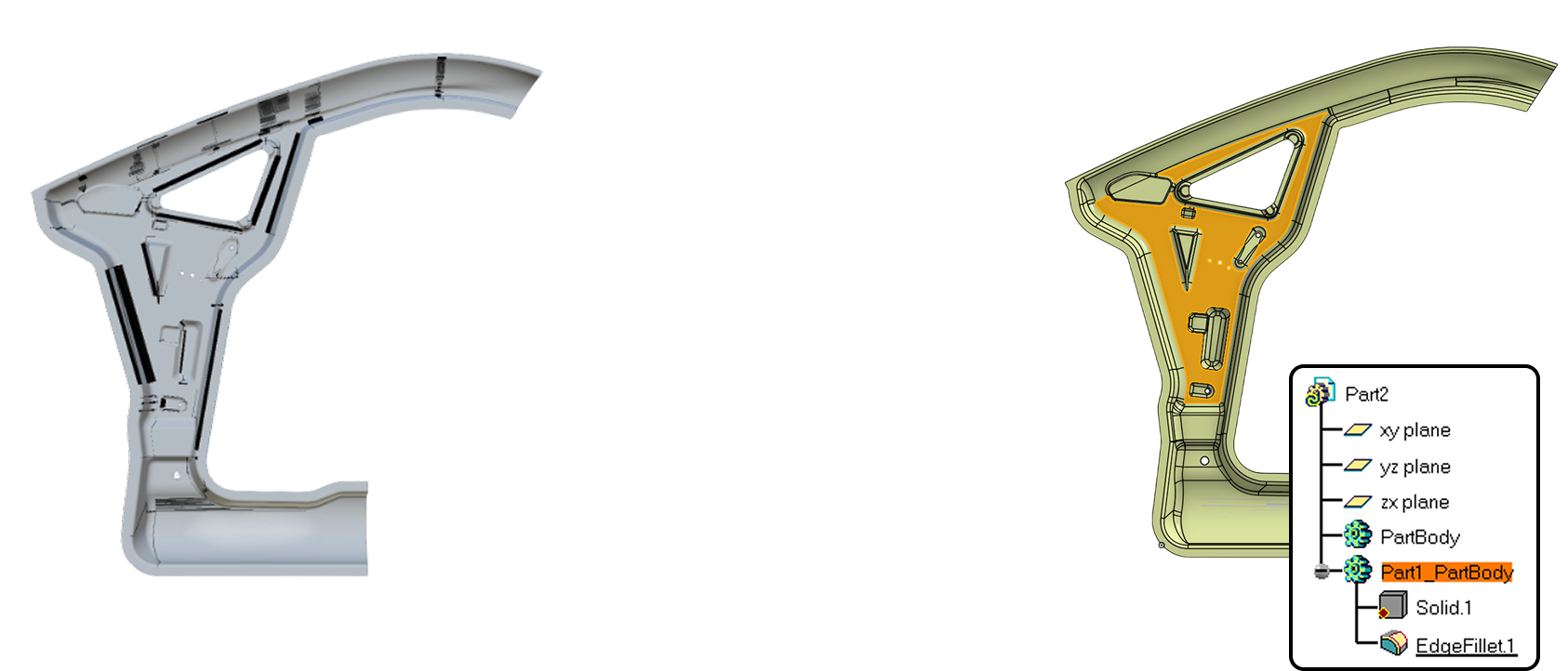
Overview
Engineering teams often receive complex non-parametric models from scans, suppliers, or topology optimisation.
These files capture shape but not design intent: no sketches, parameters, or editable feature tree. This means even small changes require slow, manual reverse engineering.
Engineers reconstruct the model from scratch and iteratively compare it by eye against the reference geometry, a process that can take days for a single component.
Solution
Bench converts non‑parametric models into clean, fully parametric models that behave like it was created natively.
Bench ingests the STL or BREP, infers the key design drivers, and autonomously reconstructs a parametric model with meaningful sketches, features, and a feature tree - matching the reference geometry exactly.
The result is a production-ready parametric model that engineers can freely edit. They can tune parameters, add features, and reuse it across simulation, optimisation, and manufacturing workflows without manual rebuilds.
Without Bench
Identify Design Drivers
Identify the core design drivers (key dimensions, interfaces, symmetry, functional regions, material assumptions, etc.).
Create Base Geometry
Build an initial parametric base from scratch that roughly captures the overall form and main features.
Iterate and Develop Geometry
Refine the model itaretively, constantly comparing the reference (non‑parametric model) against the new parametric version until the shapes are effectively indistinguishable for the intended use.
Geometry Completed
Once the model is within acceptable tolerance, the engineer finalises the feature tree, and adopts this parametric model.
Without Bench, turning non-parametric models into useful parametric models means painstaking manual reverse engineering: rebuilding geometry feature by feature, iterating until it roughly matches the original, and only then having a model that can actually be edited, simulated, or reused.
How Bench Solves This
Understand
Bench ingests the non-parametric model alongside relevant context so it understands the geometry, its role, and which dimensions and interfaces matter.
Engineers specify the reconstruction scope - flag regions to reconstruct, surfaces to prioritise. This is a highly interactive, immersive, 3D-centred experience where you communicate with Bench as if it were a fellow engineer.
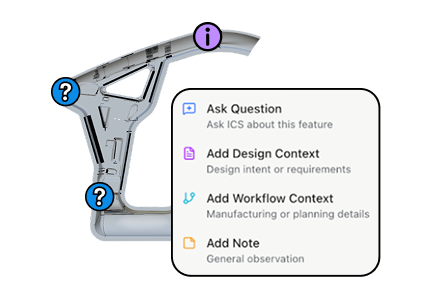
Bench detects missing context and asks clarifying questions to build a complete understanding of the task.
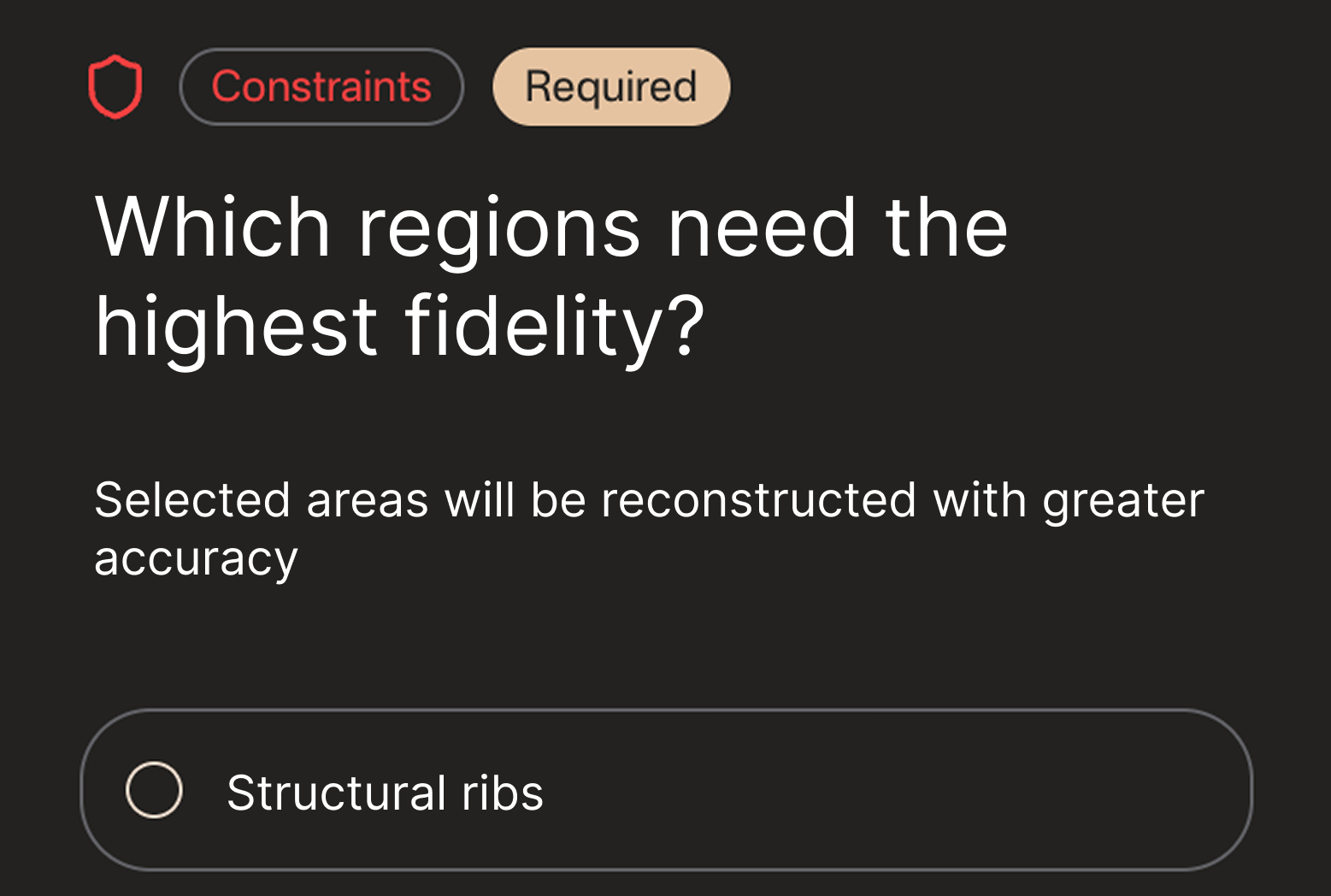
Plan
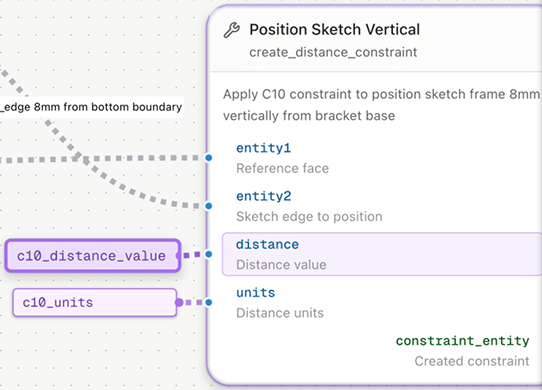
Bench analyses the model, takes all context and annotations and generates an explainable workflow.
Engineers can inspect the workflow and edit it manually or through prompts (e.g. "prioritise accuracy here over simplicity", "I don't need this level of detail here").
Once the inspection is complete the engineer executes the workflow.
Execute
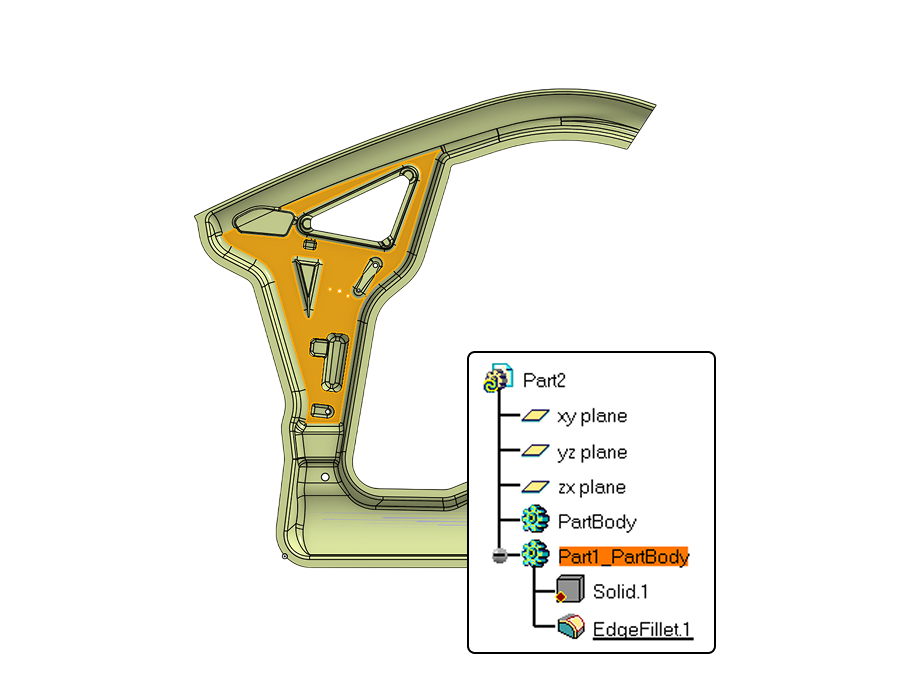
Bench executes the workflow, completing the STL to parametric CAD conversion in minutes. The rebuilt geometry is fully eritable, parametric with sketches, features, and a feature tree that matches the reference perfectly.
Integrations Supported


Onshape
Integrate with OnShape for seamless design collaboration and real-time updates across your team.

Solidworks
Utilize Solidworks to enhance your design workflow with powerful simulation and modeling capabilities.

Catia
Use Catia for smart engineering design and product management, helping teams create innovative solutions for today’s industries.

SiemensNX
Integrate SiemensNX to optimize your engineering processes with cutting-edge design tools.

ANSYS
Use ANSYS for simulation solutions that boost innovation and efficiency, letting engineers test their designs virtually before production.

SimScale
Integrate with SimScale’s world-class cloud-native AI and simulation workflows.
Similar Use Cases
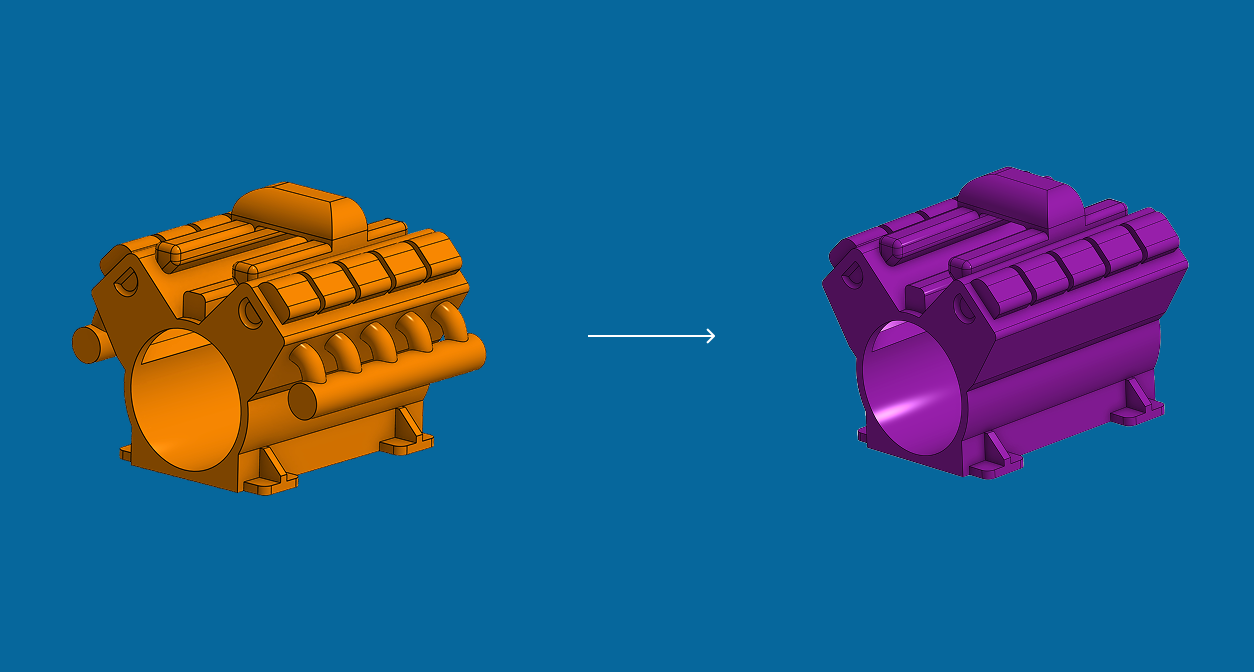
Geometry Preparation for Simulation
Remove the manual Geometry preparation bottleneck so that your CAE teams can run more iterations at the same time.

.svg)
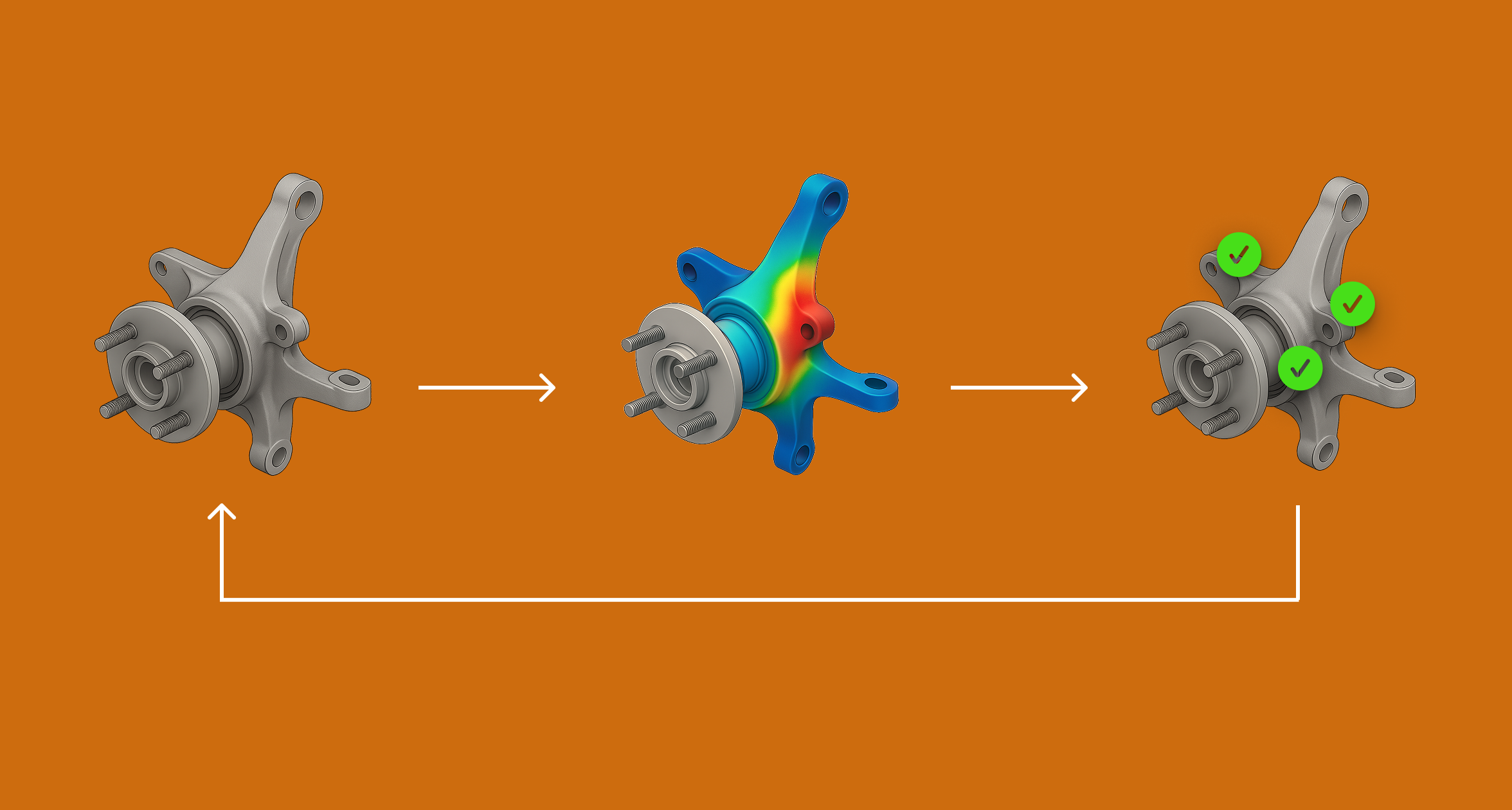
Autonomous Optimisation
Accelerate design cycles by automating menial CAD edits. Enable your engineers to focus on high-leverage tasks instead.
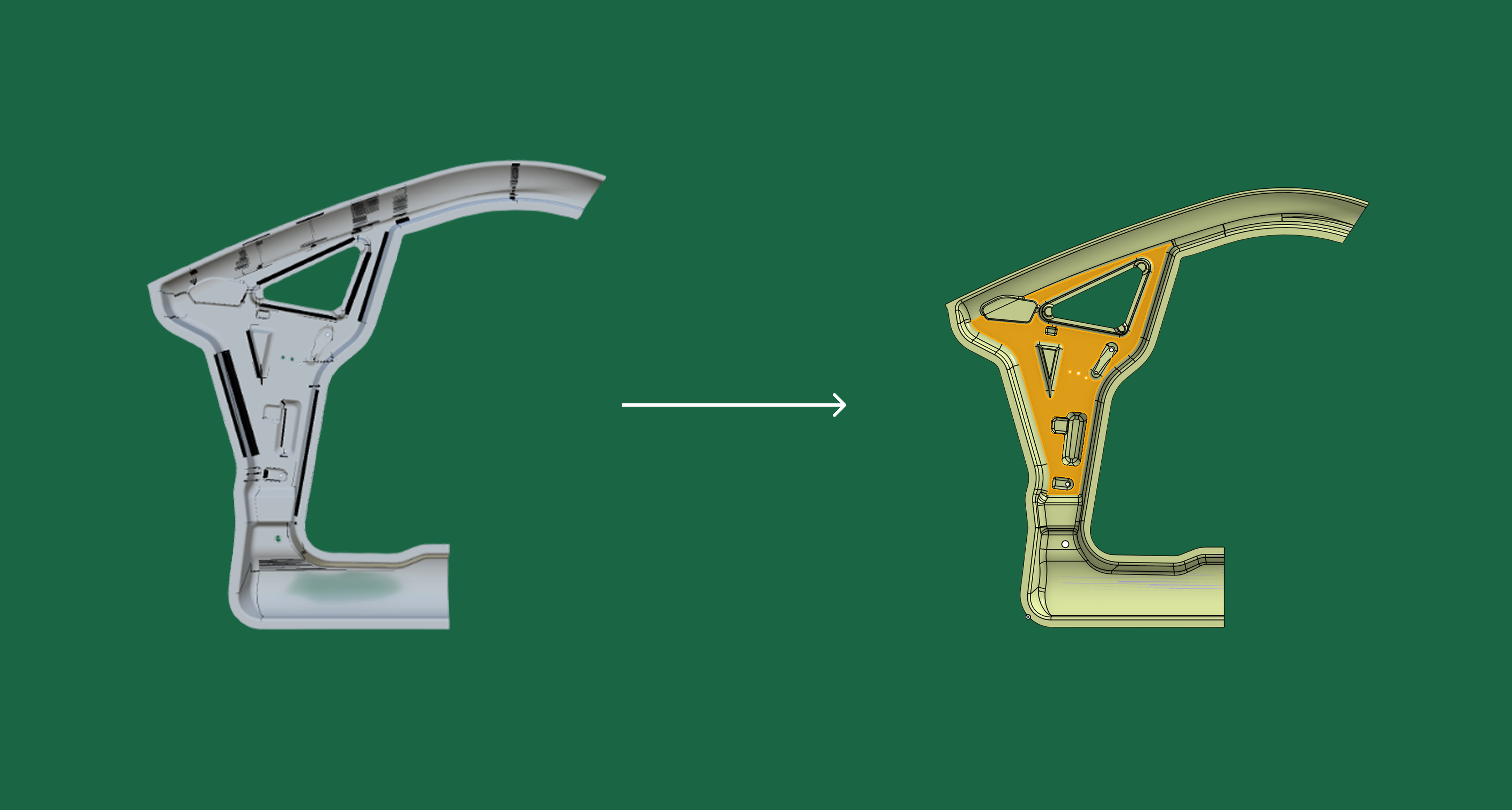
STL to Parametric CAD
Autonomously rebuild scanned and mesh models as fully parametric parts, giving engineers clean, editable CAD.
Want to see a live demo?
Book a call - one of our founders will show you what you can achieve with Bench.
Request a Demo

Request a Demo

